Pump Retrofit Benefits
Adapting Designs for New Duties and Greater Longevity
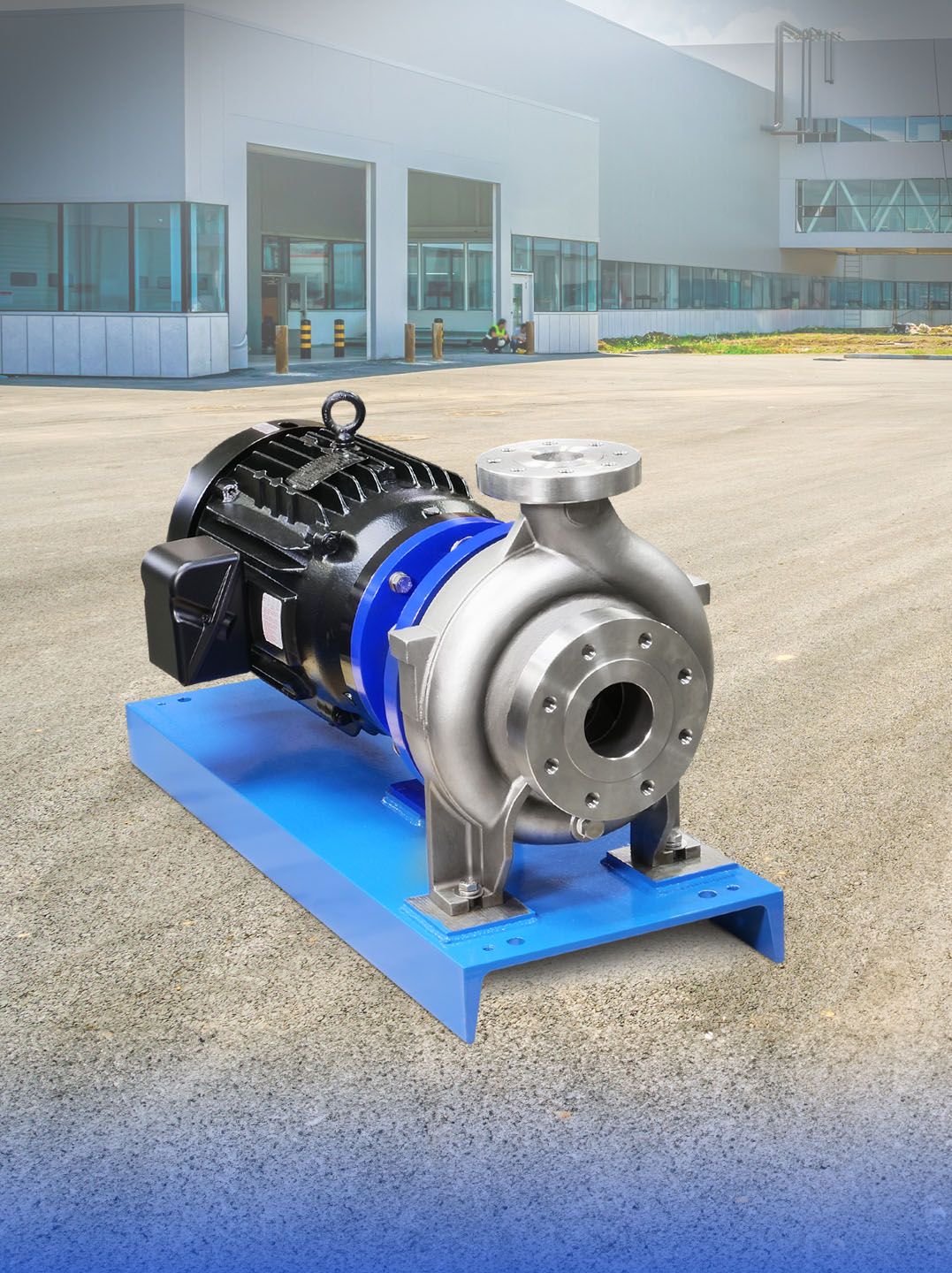
Industrial pumps operate in some of the toughest environments, particularly within the petrochemical and oil and gas sectors where highly corrosive fluids are common. Selecting the correct materials for casings, impellers, and seals is critical to ensuring long-term durability. However, when operating conditions change, existing pumps may no longer be ideally suited to their new roles. Rather than replacing entire units, upgrading with our
retrofit pumps or improving material specifications can provide a practical and cost-efficient way to restore performance and reliability.
Although rarely visible to the public, industrial pumps are fundamental to modern life. They transport municipal water supplies, support agricultural irrigation, and enable major infrastructure projects. In power generation, pumps supply water for cooling and steam production, helping maintain consistent electricity output. Across oil, gas, and chemical processing facilities, pumps move and manage essential fluids, forming the backbone of countless industrial operations. Because pumps are engineered for specific duties, significant effort goes into optimizing their performance and dependability. Over time, though, production demands, process conditions, or regulatory requirements may shift. When that happens, pumps originally designed for one set of parameters may struggle to operate at peak efficiency under new conditions.
Enhancing Operational Performance
Boosting output is a common objective in many facilities, yet higher production rates often require equipment adjustments. Retrofitting offers an economical alternative to full pump replacement. For example, redesigning an impeller while retaining the original casing can significantly improve hydraulic performance with comparatively short turnaround times. Modern manufacturing technologies, including additive and hybrid processes, have further accelerated retrofit projects. These innovations reduce lead times for mold creation and component production, allowing upgrades to be implemented quickly and efficiently.
Beyond performance gains, mechanical refinements can also enhance reliability and extend service life. Legacy pumps, in particular, can benefit from updated engineering analysis and modeling techniques that improve operational stability and reduce wear.
Material Upgrades for Demanding Environments
Material selection plays a decisive role in pump longevity. When fluid properties or environmental conditions change, upgrading to more resilient materials may be necessary. For instance, replacing standard casings with stainless steel can significantly reduce corrosion in gas processing applications. By maintaining original dimensions during such upgrades, operators can often continue using existing spare parts inventories—such as seals, bearings, and impellers—thereby minimizing project costs and downtime. Technical support during reassembly and commissioning further ensures a smooth transition back into service.
Global Value of Retrofit Solutions
Pump retrofitting delivers measurable benefits across multiple industries. Successful projects require deep knowledge of both the application and the operating environment, supported by strong design and manufacturing capabilities. Clear communication and local technical support are equally important to ensure efficient project delivery.
Importantly, retrofit services are not limited to equipment supported by original manufacturers. When OEM documentation is unavailable or support has ended, specialized maintenance providers can apply reverse engineering and precision manufacturing techniques to refurbish or enhance legacy equipment. With the wide variety of pump designs in operation worldwide, partnering with experienced specialists ensures that upgrades are technically sound, cost-effective, and aligned with evolving operational demands.